When considering how to choose medical tubes for different procedures, it's essential to understand the unique requirements of each situation. Medical tubes come in various types and sizes, each designed for specific tasks. Making the right choice can significantly impact patient outcomes.
Selecting the appropriate tube might seem straightforward, but it requires careful thought. Factors like the patient's condition and the nature of the procedure play crucial roles. Mistakes in this choice can lead to complications, emphasizing the need for precision.
Moreover, advancements in medical technology continuously introduce new options. Staying informed about these developments is critical for healthcare professionals. They must regularly evaluate their choices to ensure they are using the best tools available for patient care. Balancing innovation with proven methods can be a challenge that demands ongoing attention.
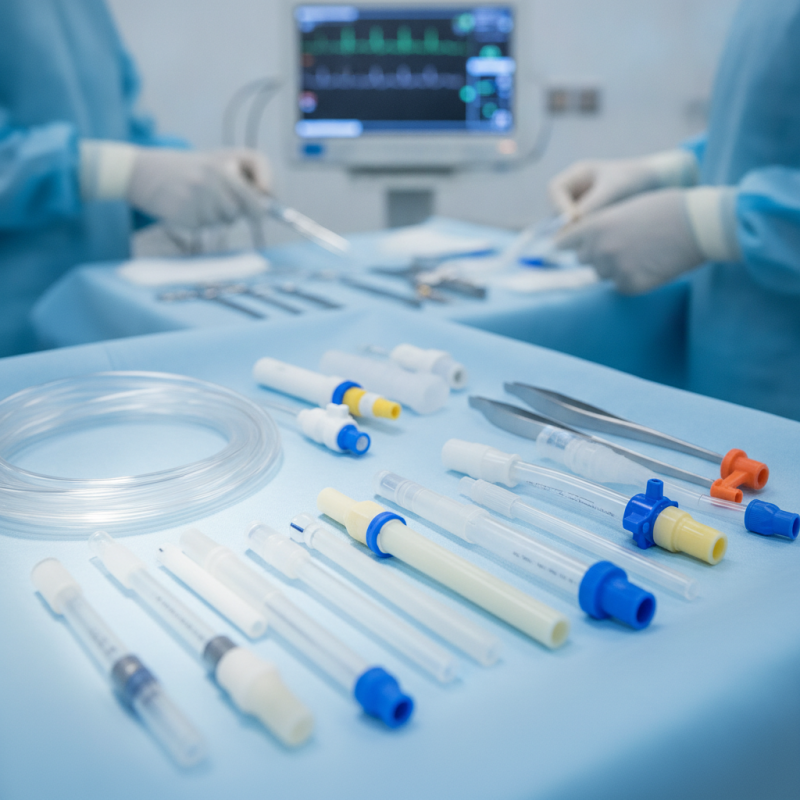
When considering medical tubes for various procedures, understanding their types and uses is crucial. Medical tubes include endotracheal tubes, nasogastric tubes, and catheters. Each type has a specific role in patient care. A study published in the Journal of Health Science indicated that complications from improper tube selection can occur in up to 25% of cases. This highlights the importance of knowing the right tube for each procedure.
Endotracheal tubes are primarily used in anesthesia and emergencies. They ensure airways remain open during surgery or resuscitation. Nasogastric tubes assist in feeding patients unable to swallow. According to a report by the National Center for Biotechnology Information, improper placement of these tubes leads to an increased risk of pneumonia and aspiration, stressing the need for careful consideration during procedures.
Choosing the right catheter is equally vital. Catheters help manage fluid exchange in patients. However, research from the Agency for Healthcare Research and Quality shows that catheter-associated urinary tract infections (CAUTIs) occur in 4% of catheterized patients. This statistic underscores the necessity of adherence to proper insertion techniques and timelines for catheter removal.
When selecting medical tubes for procedures, several key considerations come into play. The intended use of the tube is vital, as different procedures require specific types. For instance, breathing tubes differ significantly from feeding tubes. Understanding the anatomy of the patient also matters. An improperly sized tube can lead to complications or discomfort.
Material choice is another critical factor. Some patients may have allergies to certain materials, making it essential to select biocompatible options. The length and diameter of the tube should align with the procedure's requirements. This precision reduces risks during interventions.
It's crucial to evaluate the tube's ease of use. Training medical staff on how to handle various tubes improves patient safety. Professionals must remain aware of the potential for errors, such as misplacement or kinking. Evaluating past experiences with different types of tubes can offer insights, highlighting areas for improvement and ensuring reliable outcomes.
When it comes to medical procedures, choosing the right type of tube is crucial. Different procedures call for specific tubes to ensure both safety and effectiveness. For instance, endotracheal tubes are essential in airway management during surgeries. These tubes help maintain an open airway for patients under anesthesia.
Another important example is nasogastric tubes. These tubes are used for feeding and medication administration when a patient cannot eat. They can also help remove stomach contents. Proper placement is key to prevent complications. Healthcare professionals often double-check tube placement through X-rays or pH testing.
Tips: Always consider the patient’s comfort. Tube size matters greatly. Larger tubes can be uncomfortable, but smaller ones may not be effective. Choosing the right type and size can significantly affect the procedure's success.
Proper training is vital. Even experienced practitioners can make mistakes. Regular training sessions can help keep skills sharp and improve patient outcomes. An awareness of potential complications ensures timely interventions when necessary.
When selecting medical tubes, material choice can significantly impact performance. Different procedures require different tube characteristics. For instance, flexibility is critical in procedures involving curves or delicate tissues. A more rigid tube can cause discomfort during insertion and manipulation.
Common materials include PVC, silicone, and polyurethane. PVC is cost-effective but may not be suitable for long-term use. Silicone offers excellent biocompatibility but lacks rigidity. Polyurethane combines both qualities but may be less durable. Choosing the wrong material can lead to issues such as kinking or tearing. These are real concerns that can jeopardize patient safety, prompting a need for careful evaluation.
Additionally, the interaction between the tube material and the bodily fluids can lead to complications. Some materials can absorb medications or fluids, altering their effectiveness. This requires healthcare professionals to reconsider their choices and understand the implications of tube material. Continuous research is vital to better guide these decisions.
Proper maintenance and handling of medical tubes is essential for optimal patient care. Regular cleaning and sterilization are crucial steps. Tubes can harbor bacteria. If not properly managed, they can lead to infections. Staff must follow strict protocols. These include checking for integrity before use. Any signs of damage should prompt immediate replacement.
Training is vital. Healthcare professionals need to understand the specific needs of different tubes. Each type has unique handling guidelines. It’s important to communicate potential issues. For instance, a kinked tube can disrupt airflow or fluid delivery. Regular audits can help identify patterns of misuse or wear.
Documentation plays a key role in tube management. Keeping accurate records of usage can aid in tracking issues. It also supports continuous education efforts. Staff should reflect on their practices regularly. This can improve their handling skills and enhance patient safety. Engaging in discussions about common pitfalls can lead to better practices and fewer errors.
: Common materials include PVC, silicone, and polyurethane. Each has unique properties affecting performance.
Flexibility is critical for procedures involving curves or delicate tissues, ensuring patient comfort during use.
Wrong material choices can lead to kinking or tearing, posing risks to patient safety.
Some materials may absorb medications or fluids, altering their effectiveness and impacting treatment outcomes.
Regular cleaning and sterilization are essential to prevent infections and ensure patient safety.
Staff must understand the unique handling guidelines for different tubes to avoid misuse and ensure quality care.
Regular audits help identify patterns of misuse or wear, allowing for better handling practices.
Accurate usage records aid in tracking issues and support continuous education for staff.
Any signs of damage should prompt immediate replacement to prevent complications during use.
Engaging in discussions about common pitfalls can lead to improved skills and enhanced patient safety.
In the medical field, selecting the appropriate tubes for different procedures is crucial for ensuring patient safety and procedure efficacy. Understanding different types of medical tubes and their specific uses forms the cornerstone of this selection process. Key considerations include the tube's material, design, and compatibility with the procedure at hand. The choice of material can significantly affect performance, influencing factors such as flexibility, durability, and resistance to contamination.
Moreover, common procedures often require specific types of tubes tailored to their unique demands. For instance, intubation, drainage, and infusion each have specific tubing requirements. To ensure optimal performance, best practices for the maintenance and handling of medical tubes should also be employed. By grasping how to choose medical tubes for different procedures, healthcare professionals can enhance procedural outcomes and promote overall patient safety.
Wigivida Medical