Choosing the right gauze can make wound care cleaner, safer, and more comfortable. Gauze pads suit small, defined areas, while gauze rolls help secure dressings or wrap larger sites. This 2026 guide explains How to use gauze pads and rolls effectively in everyday first-aid situations. It focuses on practical handling, suitable pressure, skin protection, and clear warning signs. Gauze is simple. Technique is not.
Before touching the wound, wash your hands and prepare clean supplies. Check the package for damage, moisture, and its expiration date. Use sterile gauze when it will contact an open wound. Place the pad gently, without dragging it across tender tissue. Apply steady pressure for minor bleeding, then secure it without making the wrap tight. Fingers should remain warm and normally colored. Numbness, swelling, or increasing pain means the dressing needs immediate reassessment.
A roll can hold a pad in place, but it should not replace the pad itself. Overlapping each layer by about half its width usually creates even support. Avoid wrapping across a joint so tightly that movement becomes difficult. Change the dressing when it becomes wet, dirty, or saturated. Follow the product instructions, because materials differ. A common mistake is adding more layers without checking the wound. More gauze is not always better. Deep, heavily bleeding, burned, infected, or unexplained wounds require professional medical evaluation. Personal experience can help with preparation, but reliable care depends on clinical guidance and manufacturer directions. When uncertain, pause and seek qualified advice.
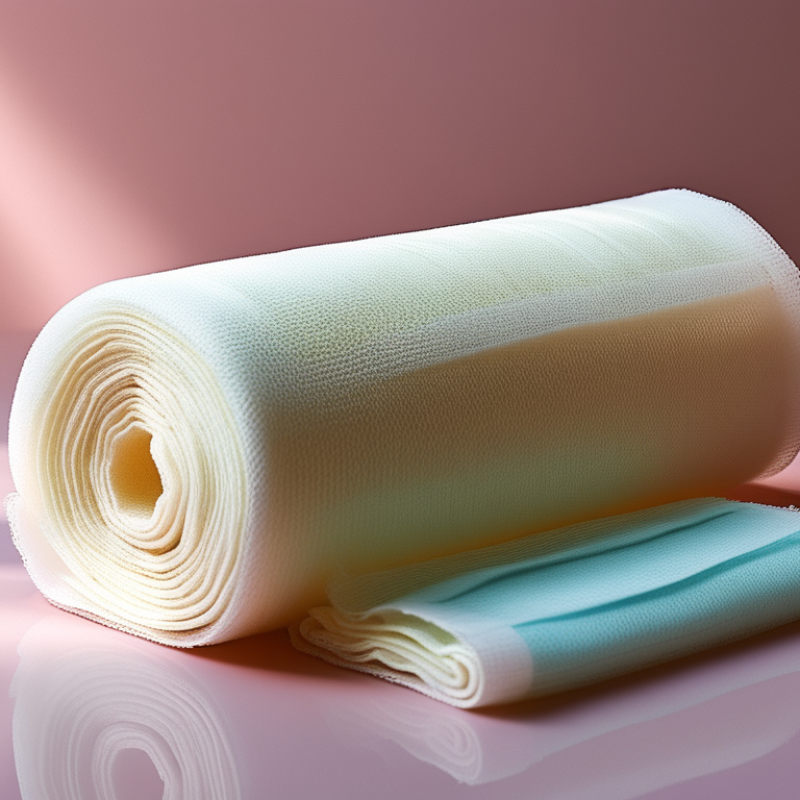
Gauze pads and rolls are absorbent wound-care materials made from woven cotton, rayon, or nonwoven fibers.
Pads are pre-cut squares or rectangles, while rolls form a continuous strip for wrapping or securing dressings.
Some products are sterile, and others are not. Sterile gauze is intended for direct contact with open wounds when the package remains sealed.
Their loose fibers create space for blood or wound fluid, helping keep the surrounding skin drier.
A gauze pad may cover a small cut, scrape, or post-procedure area. A roll can hold another dressing in place or apply gentle pressure during minor bleeding.
It should not be wrapped tightly, because swelling may reduce circulation. Check the fingers or toes for unusual coldness, numbness, or color changes.
Clean hands matter. Place the pad gently, and avoid touching the contact surface.
If gauze dries onto the wound, pulling it away can cause pain and fresh bleeding. Moisten it with clean water or saline, then remove it slowly.
A common mistake is choosing absorbency without checking the wound size. Large drainage may need professional assessment.
Deep wounds, heavy bleeding, animal bites, or signs of infection require prompt medical care. Gauze is useful, but it is not a complete treatment.
2026 Best Gauze Pads and Rolls: How to Use Them Effectively?
Choosing the right gauze starts with wound size, drainage, and location. A 2 × 2-inch pad suits small cuts, while a 4 × 4-inch pad covers broader areas. Rolled gauze works better around fingers, limbs, or joints because it follows body contours. Woven cotton absorbs well but may shed fibers. Nonwoven gauze usually leaves fewer loose fibers. For surgery or deep wounds, use sterile gauze and follow clinical instructions. The World Health Organization reports surgical-site infection rates near 11% in low- and middle-income countries. Clean handling still matters.
Tips: Match the pad to the wound, not the package. Use enough layers for drainage, but avoid bulky compression without professional advice. Check the wound after removal. If gauze sticks, moisten it with sterile saline instead of pulling sharply. Never reuse disposable gauze.
Experience shows that “larger” is not always safer. An oversized pad can fold, trap moisture, and irritate nearby skin. A roll that feels secure may also become too tight after swelling develops. The CDC’s 2017 surgical-site infection guideline supports clean dressing practices and careful hand hygiene, but it does not replace wound assessment. I still find size selection imperfect when wound edges change during healing. Measure again. Observe color, odor, pain, and drainage. Seek medical advice for spreading redness, fever, worsening pain, or persistent bleeding.
Safe wound care begins before gauze touches the skin. Wash your hands with soap and water, then dry them with a clean towel. Check that the package is sealed, dry, and within its expiry date. Use sterile gauze for open wounds unless a healthcare professional advises differently. Place the pad, roll, tape, and saline on a clean surface.
Open the package carefully. Touch only the edges of the gauze, not the wound-facing side. Choose a pad that covers the wound without extending far onto surrounding skin. For larger areas, unroll gauze evenly and avoid wrapping it too tightly. If the wound needs cleaning, use sterile saline as directed. Avoid alcohol or strong antiseptics unless medically recommended, because they may irritate healing tissue.
Keep it simple. Apply gentle, steady pressure with the pad. Do not lift it repeatedly to check bleeding. If blood passes through, add another layer instead of removing the first one. Gauze can stick when it dries. Moisten it with sterile saline before removal, then lift slowly. A common mistake is securing a roll too firmly, which can cause swelling, numbness, or color changes. Replace wet or dirty gauze promptly. Seek professional care for deep wounds, uncontrolled bleeding, spreading redness, pus, fever, or worsening pain.
| Gauze Type | Typical Size or Form | Best-Suited Use | Sterility | Absorbency and Protection | Safe-Use Notes |
|---|---|---|---|---|---|
| Sterile gauze pad | Commonly 5 cm × 5 cm or 10 cm × 10 cm; folded layers | Covering small cuts, abrasions, surgical incisions, and lightly to moderately draining wounds | Individually packaged and sterile until the package is opened or damaged | Provides a clean absorbent barrier; thicker or multi-layer pads generally hold more fluid | Use a fresh pad for each dressing change; do not touch the wound-facing surface |
| Non-sterile gauze pad | Various square or rectangular sizes, often supplied in bulk | Cleaning around intact skin, applying ointment, or covering minor superficial areas when sterility is not required | Not sterile; packaging should clearly identify this status | Useful for wiping and general handling, but may have limited fluid capacity depending on thickness | Do not place directly on a deep, open, or postoperative wound unless directed by a healthcare professional |
| Sterile gauze roll | Common widths include approximately 5 cm, 7.5 cm, and 10 cm; supplied rolled | Securing a primary dressing, wrapping limbs, or creating a conforming outer layer | Sterile only when labeled and individually packaged as sterile | Adds light absorbency and helps hold a pad in place; it is not usually a substitute for a primary dressing | Wrap smoothly without wrinkles, numbness, tingling, color change, or increasing pain |
| Non-sterile gauze roll | Multiple widths and lengths; often used as an outer wrap | Fixing dressings over intact surrounding skin or providing light support | Not sterile | Provides light coverage and fixation rather than high-capacity wound absorption | Keep it outside the sterile dressing layer when caring for an open wound |
| Gauze packing strip | Narrow, ribbon-like strip supplied in a container or individual package | Selected cavities or wounds that require packing under professional instructions | Use sterile packing material when it is prescribed for an open wound | Helps manage drainage in specific wound cavities; it is not intended for routine surface coverage | Never pack tightly, never use ordinary loose gauze, and do not begin packing without clinical guidance |
| Non-adherent gauze dressing | Flat dressing with a contact layer designed to reduce sticking | Superficial burns, abrasions, fragile skin, and wounds where removal may cause tissue disruption | Available in sterile formats; confirm the package label before use | Protects the wound surface but may need a separate absorbent pad above it | Do not cut or apply products containing medication unless the product instructions or clinician recommends it |
| Step | Preparation | What to Do | Safety Check |
|---|---|---|---|
| 1 | Gather supplies | Prepare sterile gauze, clean gloves, tape or an appropriate wrap, saline or clean running water, and a waste bag. | Check expiry dates and reject packages that are wet, torn, open, or visibly contaminated. |
| 2 | Clean your hands | Wash hands with soap and water, dry them, and put on clean gloves if available. | Avoid touching the wound, gauze contact surface, or inside of the package unnecessarily. |
| 3 | Prepare the gauze | Open the sterile package only when ready. If a pad must be folded, keep the wound-facing surface protected and avoid contact with non-sterile surfaces. | Use enough gauze to extend beyond the wound edges without covering excessive surrounding skin. |
| 4 | Clean the wound | Rinse a minor wound with clean running water or sterile saline. Gently clean the surrounding skin and pat it dry. | Do not scrub deeply, use household disinfectants, or pour hydrogen peroxide or alcohol into an open wound. |
| 5 | Apply the primary gauze | Place the sterile pad gently over the wound. For bleeding, apply firm, steady direct pressure with additional gauze as needed. | If blood soaks through, add another layer rather than removing the first layer unless directed otherwise. |
| 6 | Secure the dressing | Use medical tape or a gauze roll to hold the pad in place. Keep the wrap firm but comfortable. | Check skin color, warmth, sensation, and swelling beyond the wrap; loosen it if circulation appears impaired. |
| 7 | Monitor and change | Replace the dressing when wet, dirty, loose, or saturated, following any instructions provided by a healthcare professional. | Dispose of used gauze safely, wash hands again, and never reuse disposable gauze. |
Important: This table provides general wound-care information and does not replace professional medical advice. Follow the instructions supplied for postoperative wounds or clinician-directed packing.
Wash your hands and place the patient in a safe, comfortable position. Check the wound without touching exposed tissue. If bleeding is heavy, spurting, or difficult to control, contact emergency services immediately. Use sterile gauze when available, especially for open wounds. Place a gauze pad directly over the injury. Press firmly and steadily with your fingertips or palm. Do not lift the pad repeatedly to inspect the wound. That can disturb early clot formation.
If blood soaks through, add another pad on top. Do not remove the first layer. Secure the pad with a gauze roll, adhesive tape, or a suitable bandage. Wrap from below the wound upward, using even pressure. The roll should feel supportive, not restrictive. Check the fingers or toes for warmth, color, and sensation. Numbness, tingling, pale skin, or increasing pain may indicate excessive pressure. Loosen the wrap carefully if these signs appear.
Keep the dressing clean and dry. Replace it when wet, dirty, or loosened, using clean hands each time. Avoid applying cotton fibers directly to a fresh wound. This is an easy detail to miss. Do not use gauze to push deep into a wound unless a trained professional directs you to. Seek medical care for deep cuts, animal bites, embedded objects, infection signs, or bleeding that continues despite steady pressure. Proper technique helps, but judgment still matters.
Clean hands and a prepared surface make gauze changes safer. Wash your hands, then put on disposable gloves if available. Gently remove the old gauze. If it sticks, moisten it with clean water or saline instead of pulling hard. Pulling can reopen fragile skin.
Look at the wound before covering it again. Mild redness may occur, but spreading redness, increasing warmth, swelling, pus, or worsening pain needs medical advice. Place a fresh gauze pad directly over the area. For heavier drainage, use a suitable absorbent layer, but do not pack a deep wound unless a clinician instructs you to. Secure the gauze with medical tape or a wrap. It should stay in place without feeling tight. Check the skin around the dressing for numbness, unusual color, or coldness.
Put used gauze and gloves into a leak-resistant bag, then seal it before placing it in household waste, unless local healthcare rules require another method. Wash your hands again afterward. Never reuse soiled gauze or share wound-care supplies. I have found that rushing the tape step often causes slipping later. A few extra seconds of gentle pressure helps. Still, home care has limits. Persistent bleeding, a deep cut, fever, or a wound from an animal bite requires prompt professional assessment.
: Gauze pads cover small cuts, scrapes, or post-procedure areas. Gauze rolls secure dressings or apply gentle pressure.
Yes, use sterile gauze when its sealed package is intact. Check the package is dry and within its expiry date.
Wash your hands with soap and water. Prepare gauze, saline, tape, and a clean surface.
Touch only the edges. Keep the wound-facing surface clean. Choose a pad that covers the wound without covering too much healthy skin.
Wrap it firmly enough to stay in place, but never tightly. Check fingers or toes for numbness, coldness, or color changes.
Moisten it with clean water or saline. Remove it slowly. Pulling hard can reopen fragile skin.
Keep the first layer in place. Add another layer and apply steady, gentle pressure. Do not repeatedly lift it to check.
Replace wet or dirty gauze promptly. Seal used gauze in a leak-resistant bag, then follow local disposal guidance.
Seek prompt care for deep wounds, uncontrolled bleeding, spreading redness, pus, fever, or worsening pain. Animal bites also need assessment.
Do not choose absorbency without considering wound size. Rushing tape placement can cause slipping later. Home care has limits.
This guide explains how to use gauze pads and rolls effectively for clean, organized, and comfortable wound care. It introduces the differences between gauze pads and rolls, including their shapes, absorbency, flexibility, and common uses. It also describes how to choose the appropriate gauze type and size according to the wound’s location, amount of drainage, and required coverage. Before application, users should wash their hands, prepare clean supplies, and avoid touching the part of the gauze that will contact the wound.
The article then presents a simple step-by-step method for placing gauze gently over the affected area, wrapping rolls evenly without restricting circulation, and checking that the dressing remains secure. It explains when and how to change gauze, how to remove it carefully, and how to dispose of used materials safely. By following these practical steps, readers can improve dressing comfort, maintain cleanliness, and support a more consistent wound-care routine.

Wigivida Medical